View medications, request prescription refills, and get status updates! Securely chat with our pharmacy staff, enter your insurance information, upload insurance cards, and transfer in prescriptions from other pharmacies!
Download our pharmacy app today! Click here to get started

Get Healthy!
- Posted March 5, 2026
Ultra-Processed Foods Linked To Emotional, Behavioral Problems In Preschoolers
Ultra-processed foods can have an impact on a young child’s emotional and behavioral development, a new study says.
Kids who eat more ultra-processed foods have a higher risk of problems like anxiety, fearfulness, aggression or hyperactivity, researchers reported March 3 in JAMA Network Open.
In fact, for every 10% increase in calories from ultra-processed foods, children had higher scores on checklists for emotional and behavioral problems, results showed.
“Our findings suggest that even modest shifts toward minimally processed foods, like whole fruits and vegetables, in early childhood may support healthier behavioral and emotional development,” senior researcher Dr. Kozeta Miliku, an assistant professor of nutritional sciences at the University of Toronto, said in a news release.
Ultra-processed foods are made mostly from substances extracted from whole foods, like saturated fats, starches and added sugars. They also contain a wide variety of additives to make them more tasty, attractive and shelf-stable.
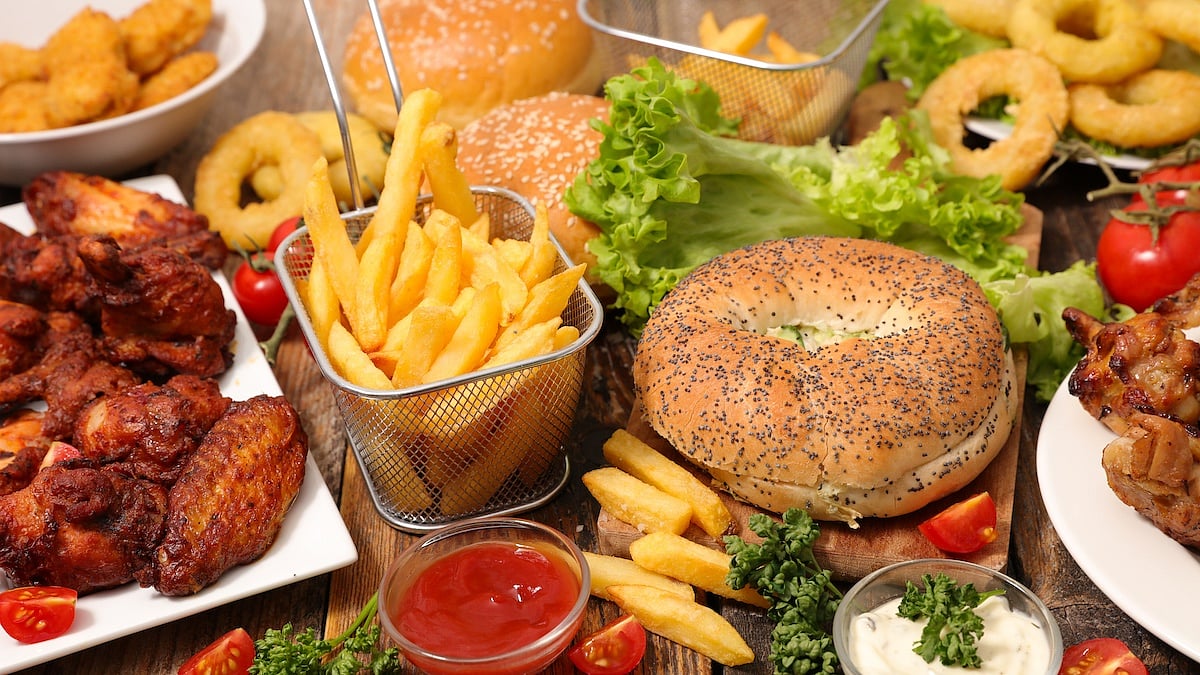
Examples include packaged baked goods, sugary cereals, deli cold cuts and ready-to-eat or ready-to-heat products like French fries or macaroni and cheese.
For the new study, researchers analyzed data from an ongoing Canadian study of pregnancy and child health, tracking nearly 2,100 preschool children. The team compared dietary data collected when the kids were 3 years old to their scores on an emotional and behavioral well-being checklist at age 5.
Results showed that as children ate more ultra-processed foods, they were at increasing risk of emotional and behavioral problems.
Statistical models simulating diet change showed that replacing 10% of calories from ultra-processed foods with minimally processed foods – fruits, vegetables and whole foods – lowered children’s behavior problem scores.
“The preschool years are critical for child development, and it’s also when children begin to establish dietary habits,” Miliku said.
She said her personal experience led to this study.
“As a parent of a toddler, I started noting how often convenience foods appear in children’s diets, sometimes even in places we consider healthy environments,” Miliku said.
“Parents are doing their best and not all families have access to single-ingredient foods, or the tools and time needed to incorporate them into their families' diets,” she said. “Ultra-processed foods are widely available, affordable and convenient.”
It’s not clear exactly how ultra-processed foods might affect a child’s emotions and behaviors, but researchers offered some theories.
These foods are high in saturated fat, sugars and sodium, all of which have been found to alter the brain, researchers said. Saturated fat is associated with brain inflammation, sodium with heightened stress, and sugar with emotional problems like depression.
Even small changes – adding a piece of fruit, offering water instead of a sugary drink – might help children grow up healthier, Miliku said.
“It is important to consider how we can gradually increase whole and minimally processed options when possible,” she said.
More information
Yale Medicine has more on ultra-processed foods and your health.
SOURCES: University of Toronto, news release, March 3, 2026; JAMA Network Open, March 3, 2026


